Language & Communication
Listening, speaking, vocabulary, conversation and storytelling.
School readiness
School readiness is more than knowing letters and numbers. At Thinkle, children build the confidence, independence, communication and thinking skills they need to approach their next stage of learning with confidence.
What readiness means
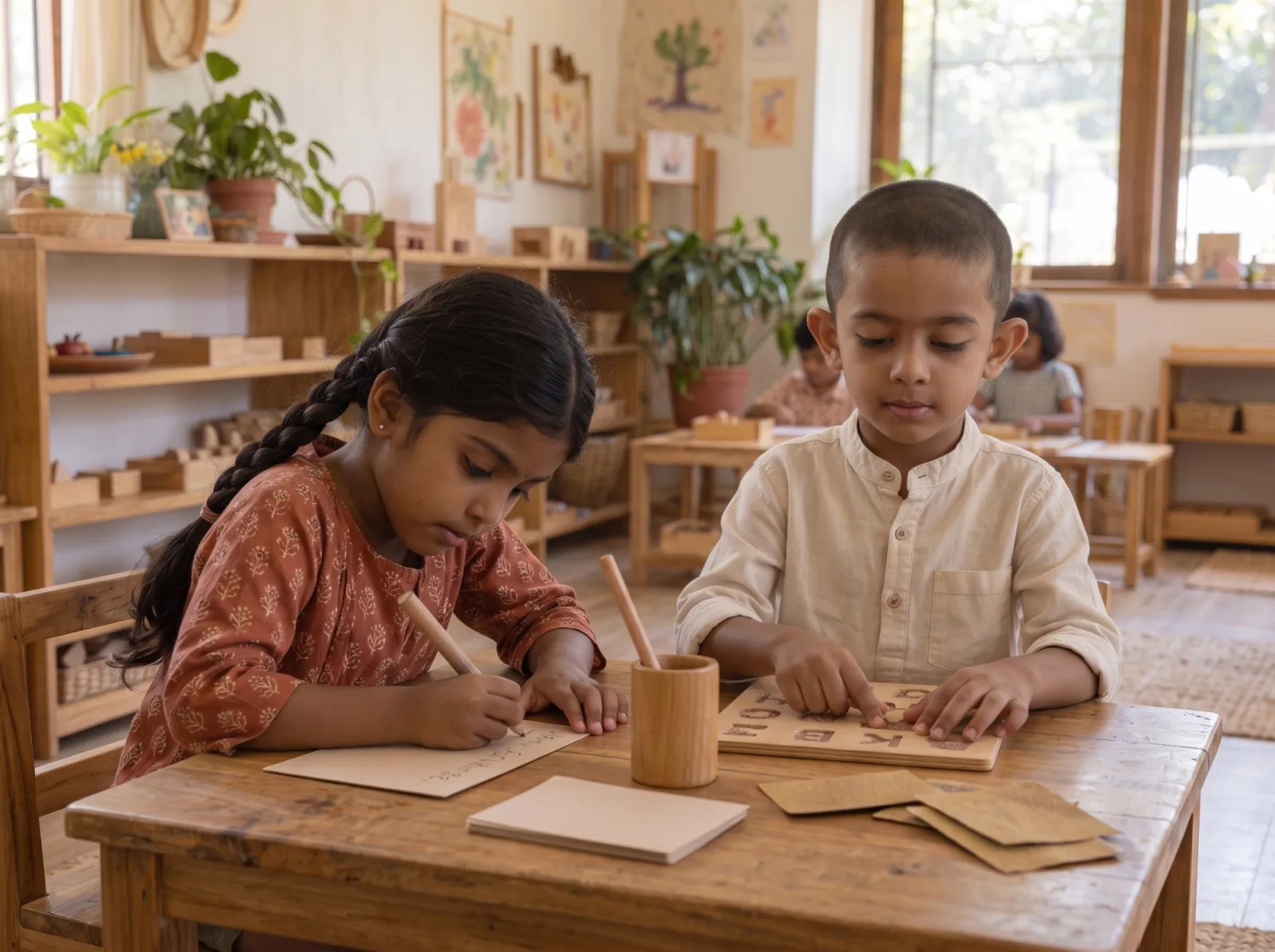
A child who is ready for the next stage is learning to listen, communicate, participate, manage simple routines, work independently, solve problems, interact with others and approach new experiences with confidence.
Alongside these foundations, children gradually develop early literacy, numeracy, writing and reasoning skills through developmentally appropriate experiences.
Learning and school readiness framework
Listening, speaking, vocabulary, conversation and storytelling.
Sounds, books, print awareness, letters, phonological awareness and early writing.
Quantity, sorting, classification, patterns, measurement, spatial relationships and problem solving.
Fine motor skills, gross motor skills, coordination, balance and body awareness.
Relationships, confidence, self-expression, cooperation and emotional awareness.
Touch, sound, sight, movement and sensory discrimination.
Self-care, organising, carrying, pouring, cleaning, preparing and participating in everyday routines.
Art, music, movement, imagination, construction and creative thinking.
Observation, living things, weather, materials and the world around us.
These areas are not taught in isolation. A single meaningful experience can nurture several areas of development simultaneously.
Literacy
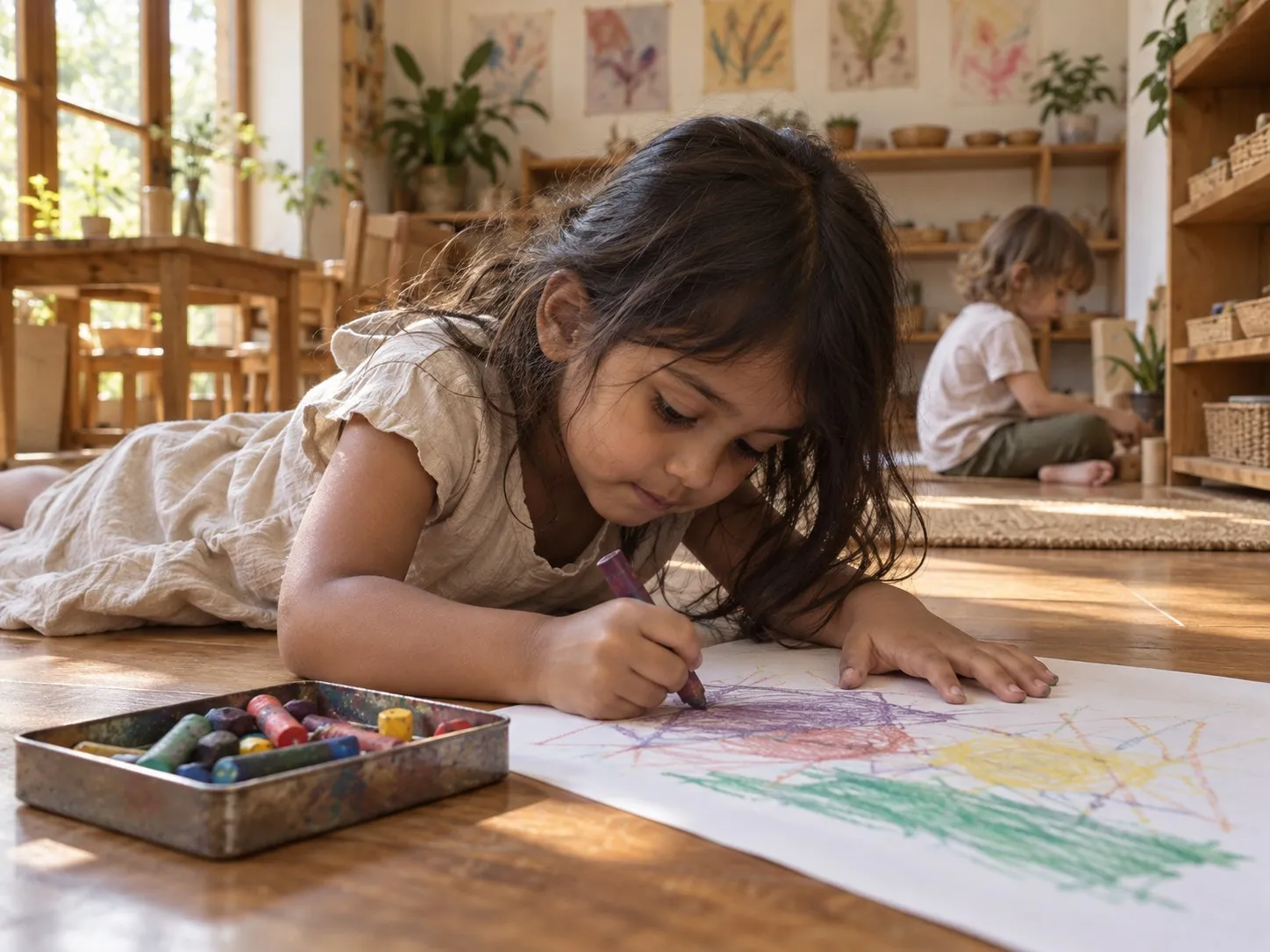
Literacy begins from infancy, but it develops gradually through meaningful experiences.
Babies begin with listening, conversation, songs, rhymes, books and language-rich interactions. As children grow, they encounter sounds, symbols and letters through playful, hands-on experiences.
More systematic work with letter-sounds, reading and writing is introduced as children become developmentally ready.
Numeracy and reasoning
Numeracy foundations begin with language, sensory experiences, classification, quantity and real-world experiences, and become more systematic as children are ready.
A child laying the table is matching one to one. A child sorting shells is classifying. A child working out whether a tower will hold is reasoning about balance and weight.
We introduce the symbol once the idea behind it is already familiar.
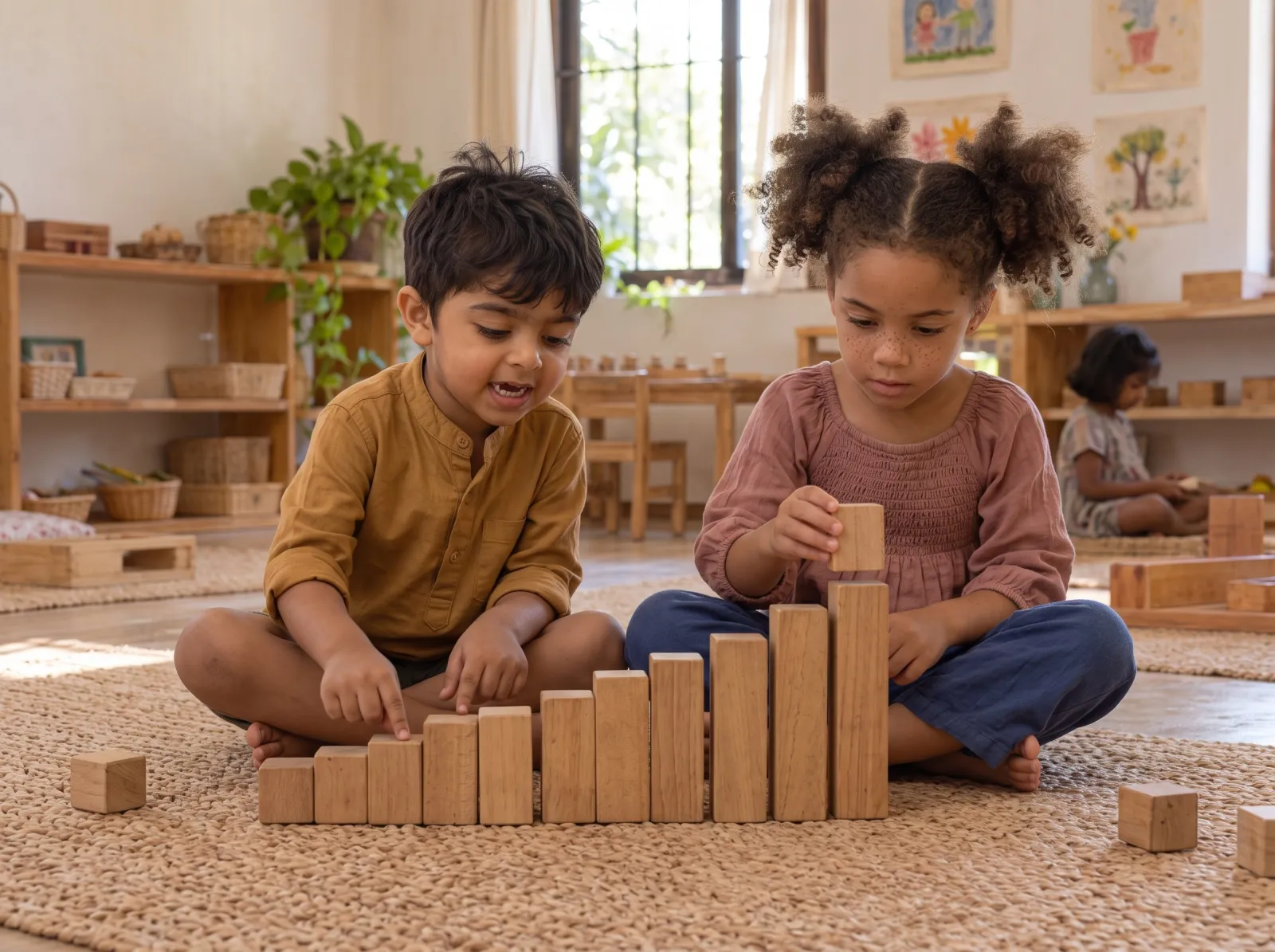
Independence, communication and confidence
A teacher meeting your child in their first week of school will notice whether they can ask for help, carry their own things, wait their turn, recover from a setback and join a group without being placed in it.
None of these skills is built in a single lesson. They develop slowly, through hundreds of ordinary moments in which a child is given the opportunity to try, struggle a little, and finish something by themselves.
It is the question we are asked most, and it deserves a real answer about your child rather than a general one.