Let them do the slow bit
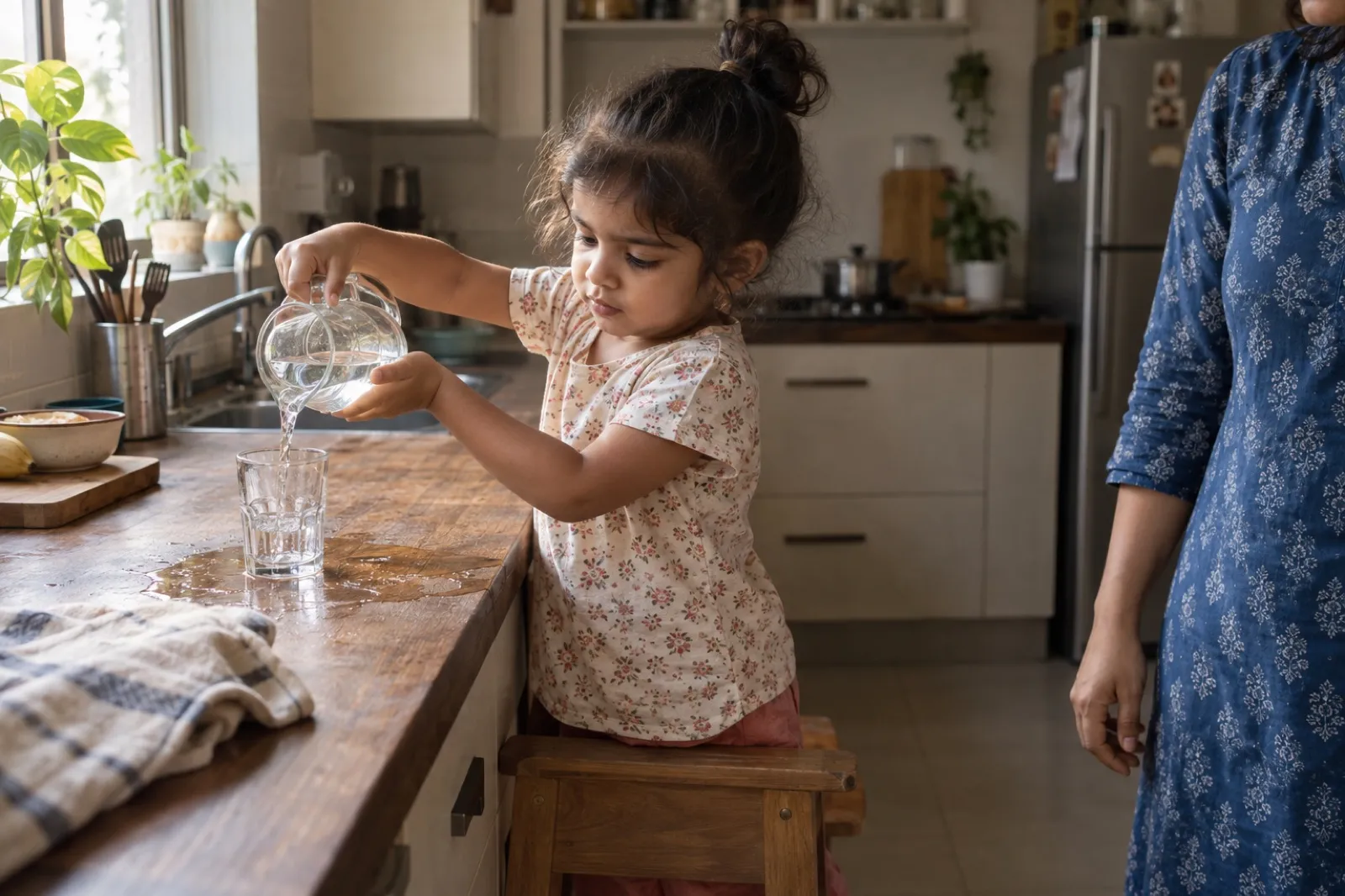
Pouring, carrying, buttoning and washing up take longer when a child does them. That extra time is the lesson.
Families
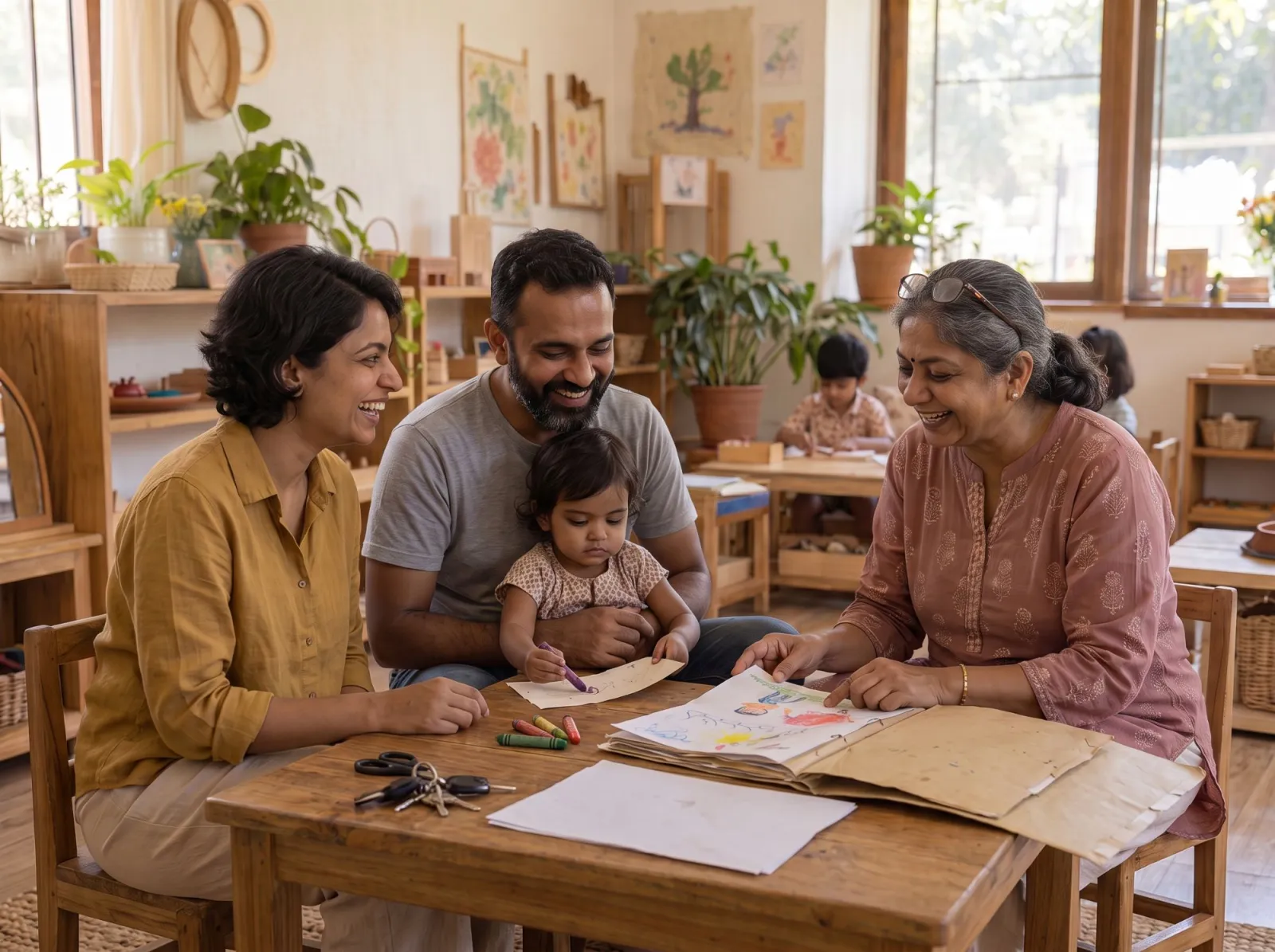
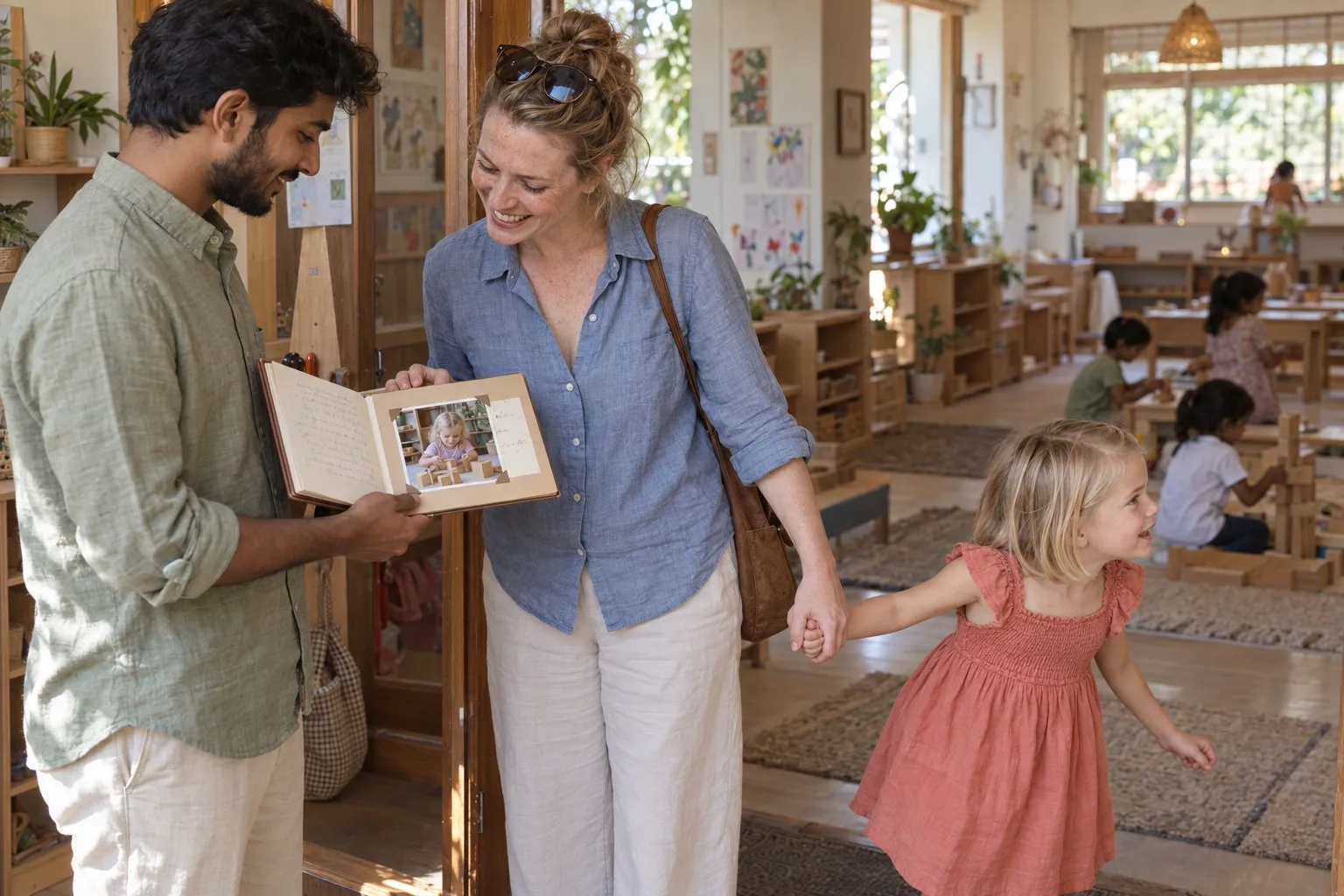
Early childhood works best when home and school understand and support each other. At Thinkle, we communicate with families thoughtfully and help parents see the learning inside everyday experiences.
What parents can expect
Plain language about your child, not a newsletter about the class.
We tell you what happened, including the difficult parts, and we do not dress it up.
Not only what your child did, but what they were exploring and what they were learning while they did it.
Small groups mean the person telling you about the week was in the room for it.
How we communicate
We communicate not only what children did, but where possible, what they were exploring, what they were learning and how families can extend meaningful experiences at home.
Parents can expect communication that is clear, respectful and focused on the child’s development.
How learning is documented
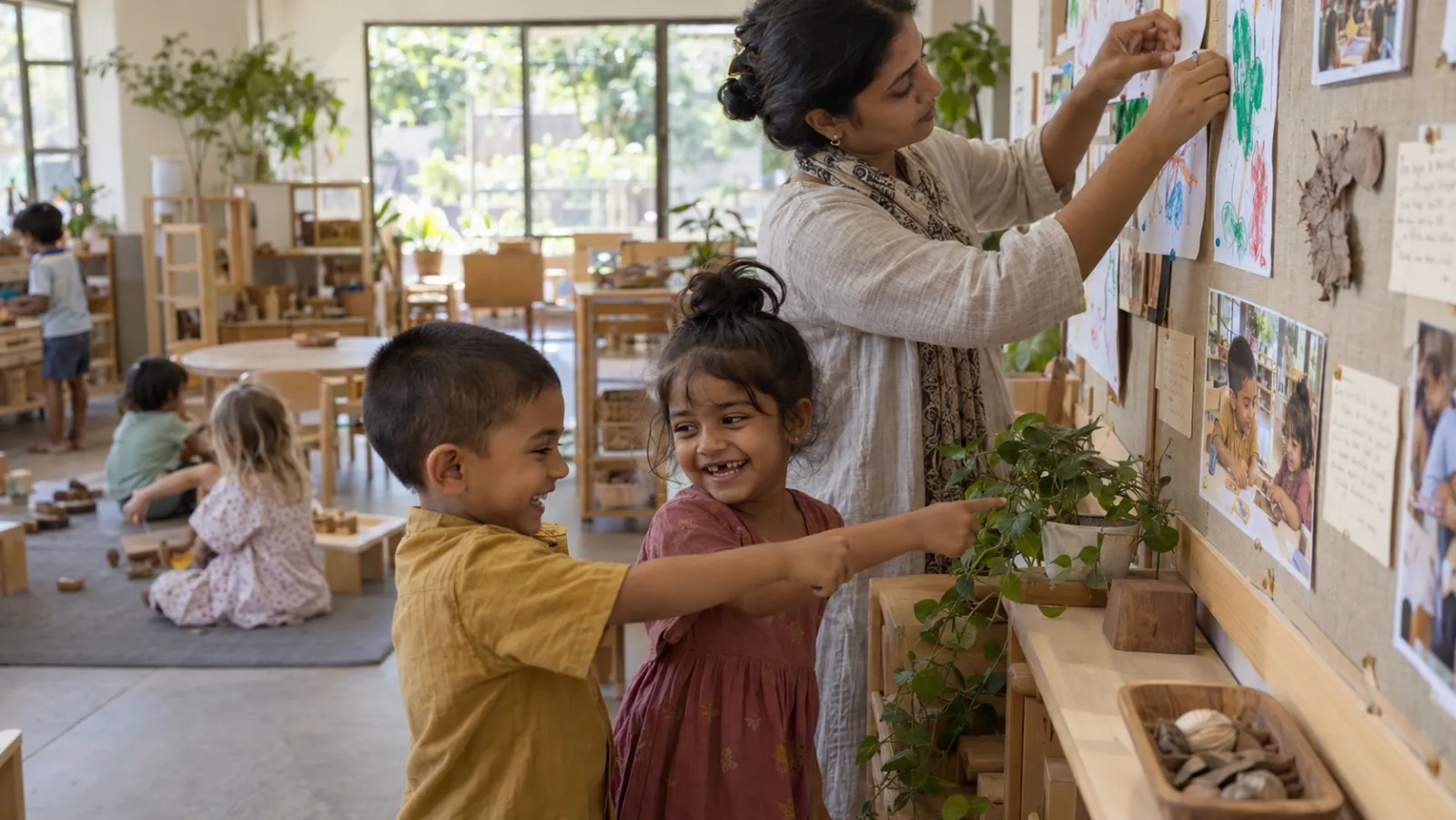
Children are understood through ongoing observation and documentation of their development, rather than by relying only on tests.
What a child returns to, how long they stay with it and what they do when it goes wrong tells us more than any single assessment would.
The children’s own work goes on the walls, at their height, so the record of the term belongs to them as much as to us.
Extending learning at home
The experiences that matter most at this age are the ones already happening in your kitchen, your garden and on the walk to the shops.
Pouring, carrying, buttoning and washing up take longer when a child does them. That extra time is the lesson.
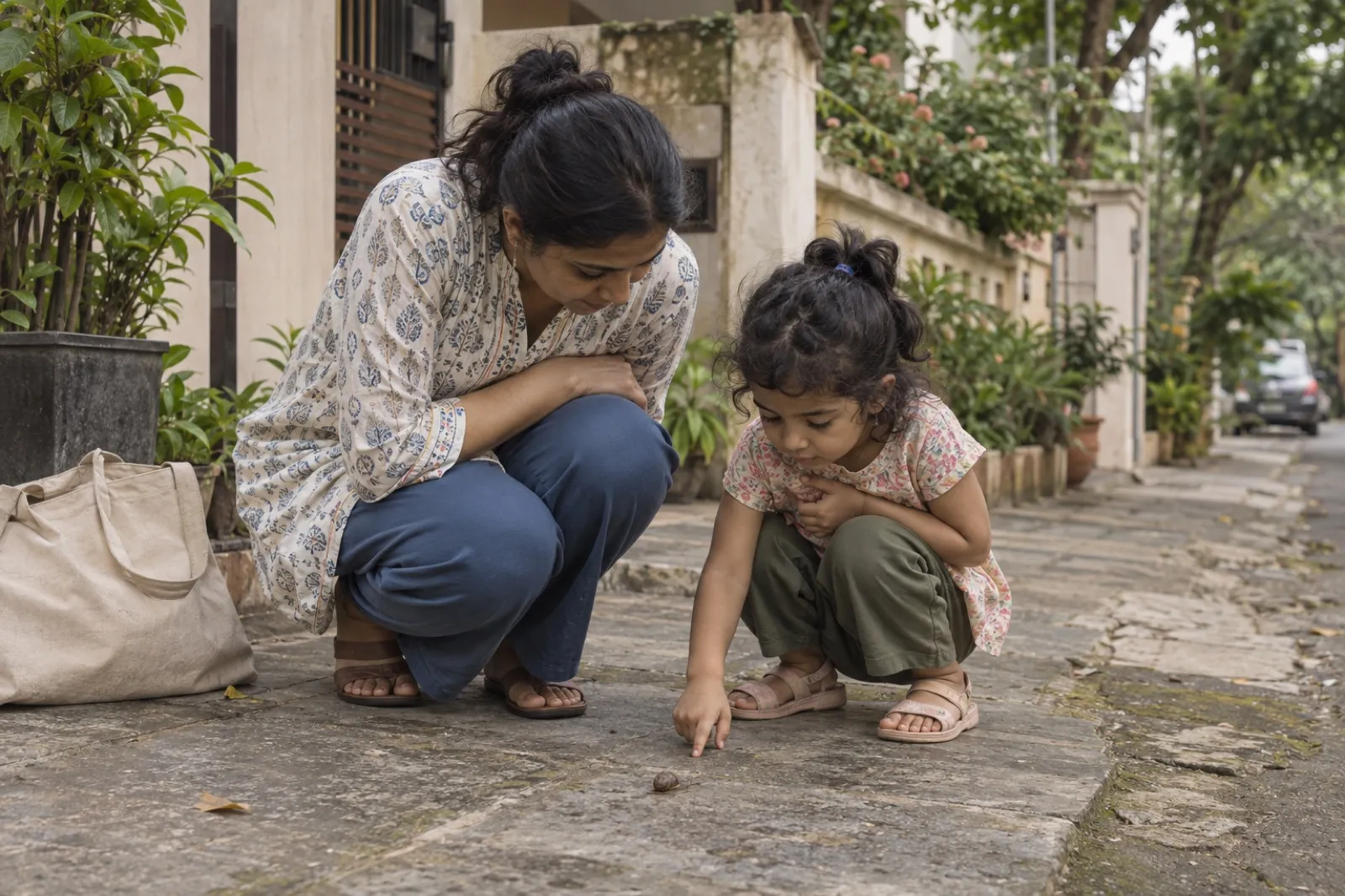
If they stop at a snail, stop at the snail. Curiosity is worth more than finishing the walk on time.
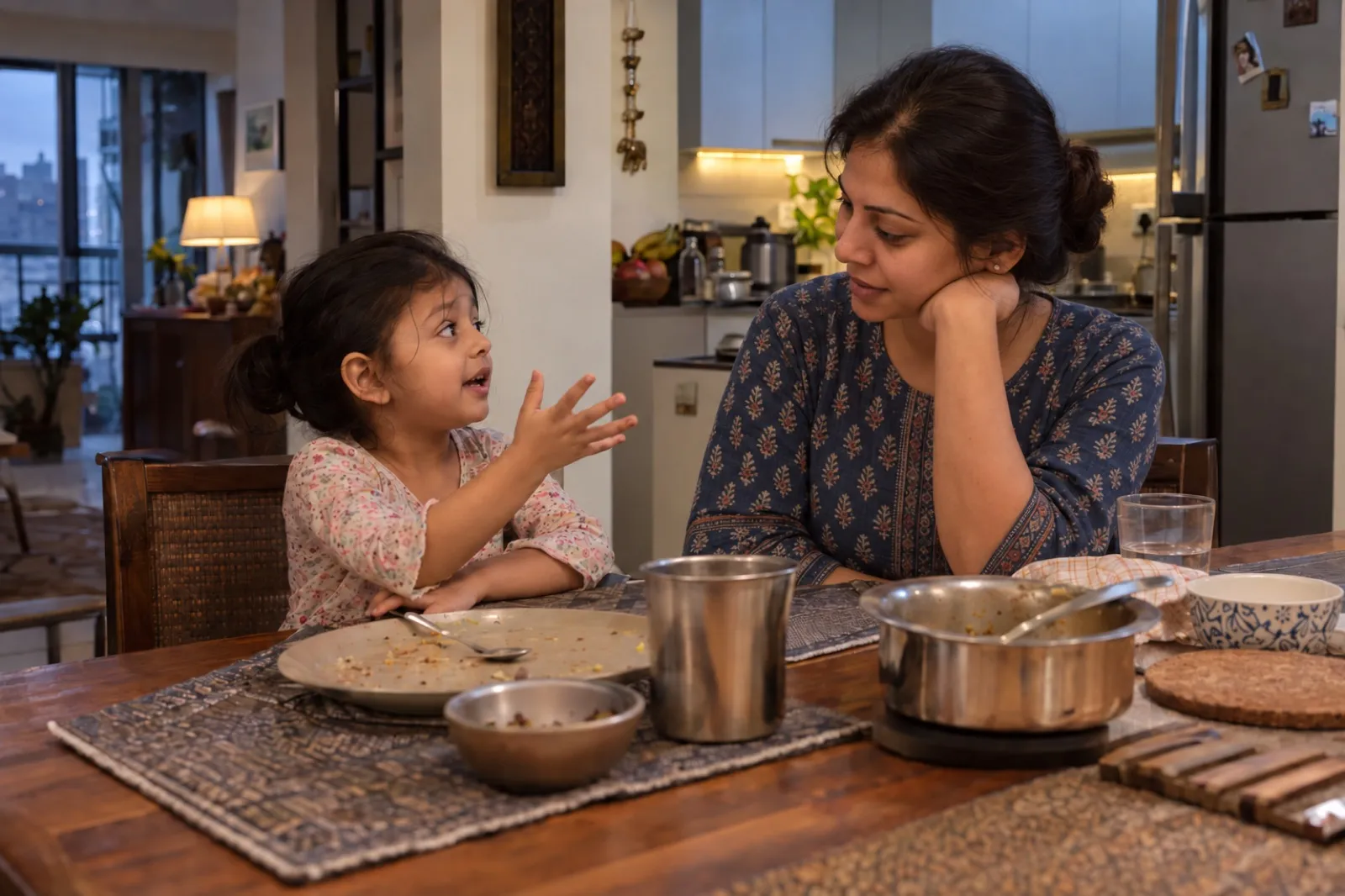
Naming what happened is how an experience turns into language, and language into thinking.
Come for a morning, watch how the adults speak to the children, and decide from that.