Vision
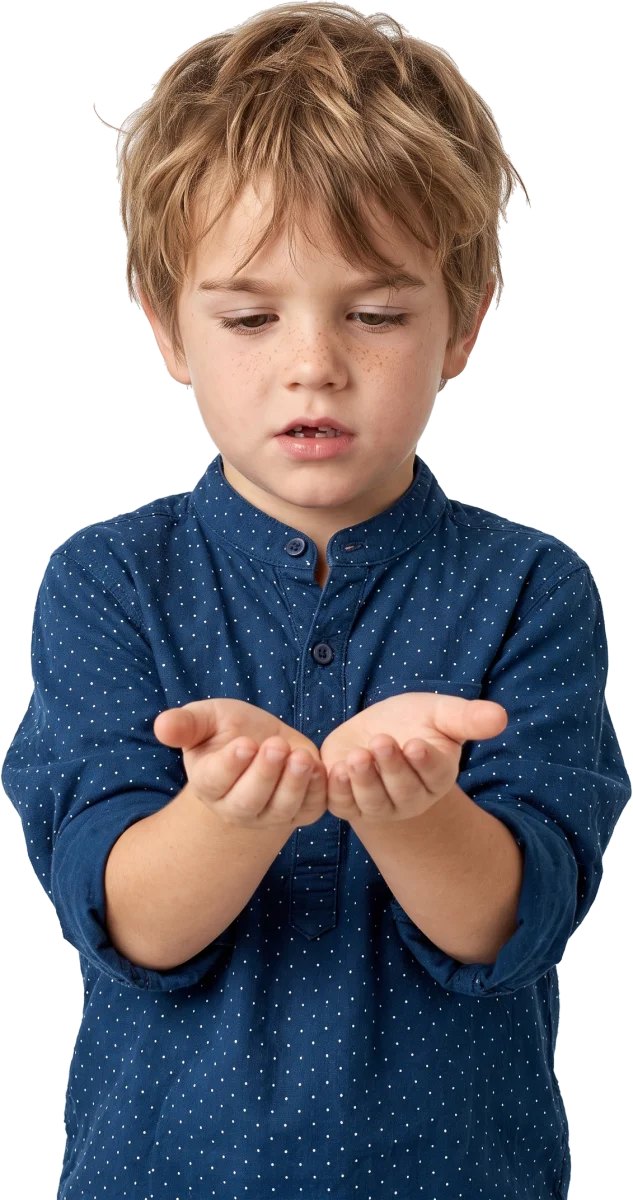
To nurture confident, curious and capable children who approach the world with wonder, independence and a love of learning.
About
Thinkle was created with a simple belief: children deserve an early childhood that respects their curiosity, individuality and need to explore the world for themselves.
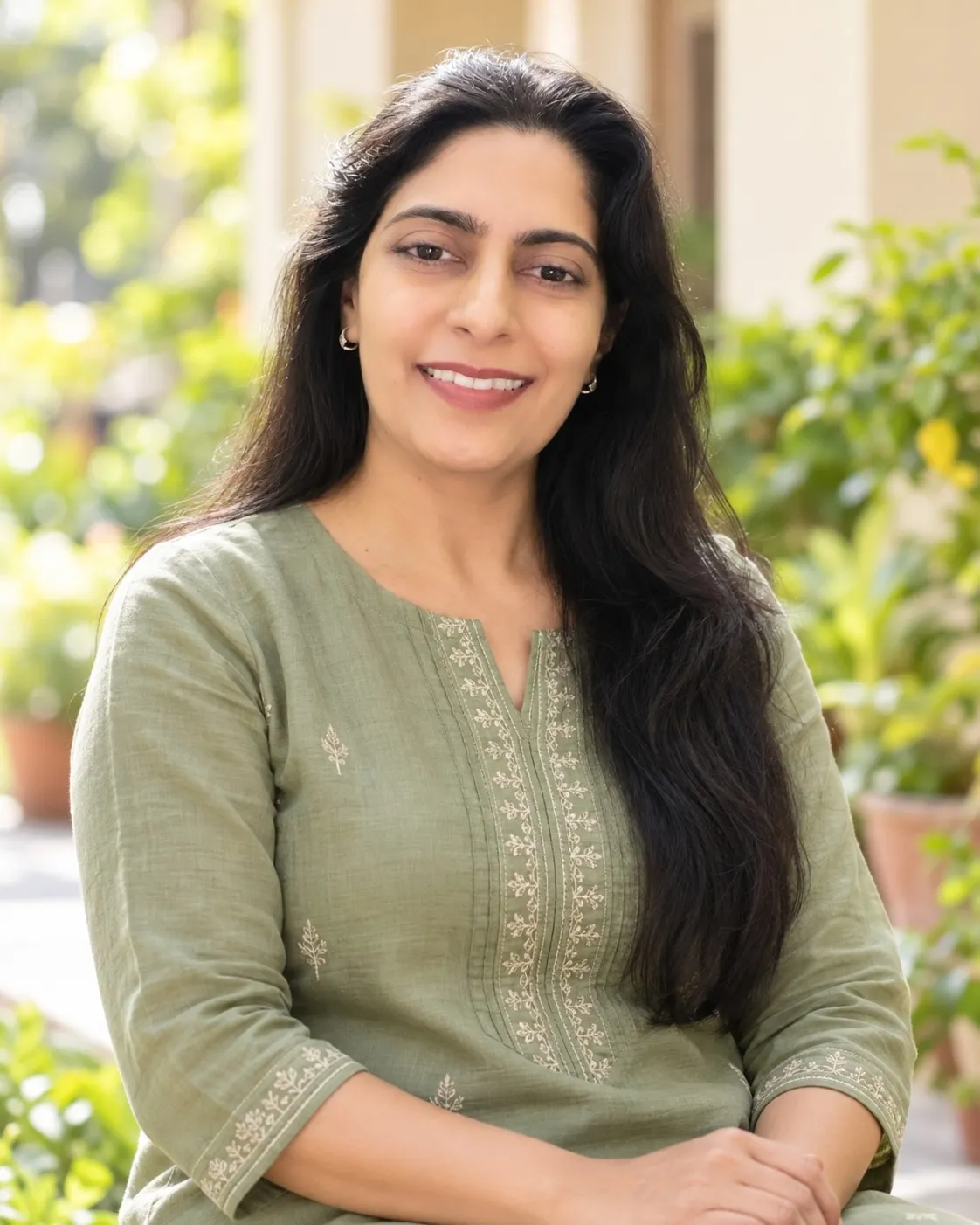
Tarudeep Vaid, Principal and Founder
Founding belief
Thinkle was founded by Tarudeep, whose own professional journey has taken her through engineering, jewellery design, jewellery manufacturing, the study of diamonds and gemmology, and fifteen years in the diamond industry.
At first, these may seem far removed from early childhood education. But each of those experiences taught her to value something that became central to the idea of Thinkle: look closely, ask questions, notice details and understand things through experience rather than simply accepting what is obvious.
The more she explored early childhood education, the more she became interested in how much young children are capable of learning when they are given the right environment, meaningful materials and the freedom to investigate things for themselves.
She began to question an approach to early education that can sometimes focus too heavily on keeping children occupied, completing activities or getting them ready for the next academic milestone.
These questions became the beginning of Thinkle.
Why Thinkle exists
We wanted to create a place where learning does not mean rushing children through worksheets or measuring childhood by how early they can perform academic tasks.
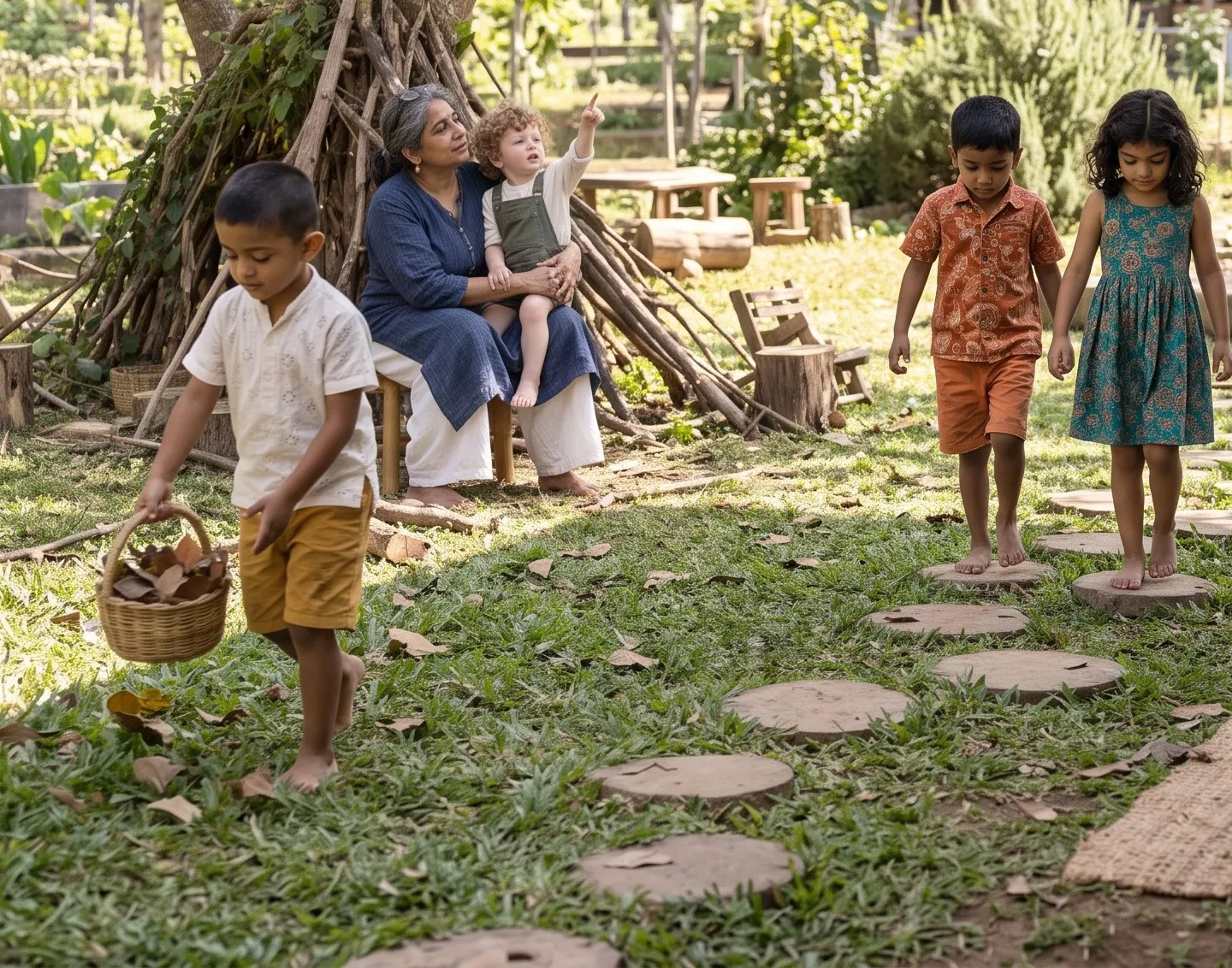
Instead, Thinkle is built around meaningful experiences, purposeful play, movement, relationships, independence and discovery.
We draw inspiration from respected approaches to early childhood education, including Montessori, play-based learning, Reggio Emilia and Finnish early childhood education, while thoughtfully adapting these ideas to our own context.
Our goal is simple: to help children become confident, curious and capable learners.
Building Thinkle
Thinkle is the result of bringing together what we have learned from established approaches to early childhood education with our own observations, research and understanding of how young children learn.
We are building a school where the environment, materials, teachers and experiences work together to give children something very important in the early years: the opportunity to become capable in their own way.
A child who can pour their own water, put away their materials, explain what they noticed, keep trying when something does not work and ask a question because they genuinely want to know is already learning something much bigger than a worksheet can show.
That is the kind of learning Thinkle was created for.
Look closely. Think deeply. Stay curious.
Vision and mission
To nurture confident, curious and capable children who approach the world with wonder, independence and a love of learning.
To create a thoughtfully prepared school where children learn through meaningful experiences, purposeful play, relationships, movement, exploration and real-world discovery.
What makes Thinkle different
A child deep in something is not moved on to keep to a clock. Concentration is the thing we are trying to build.
Real weight, real consequences, real mess. Children take more care of things that can actually break.
We take what is developmentally meaningful from several traditions rather than following one label to the letter.
Come and see whether what we say here matches what happens in the room.