
The daily rhythm
A Day at Thinkle
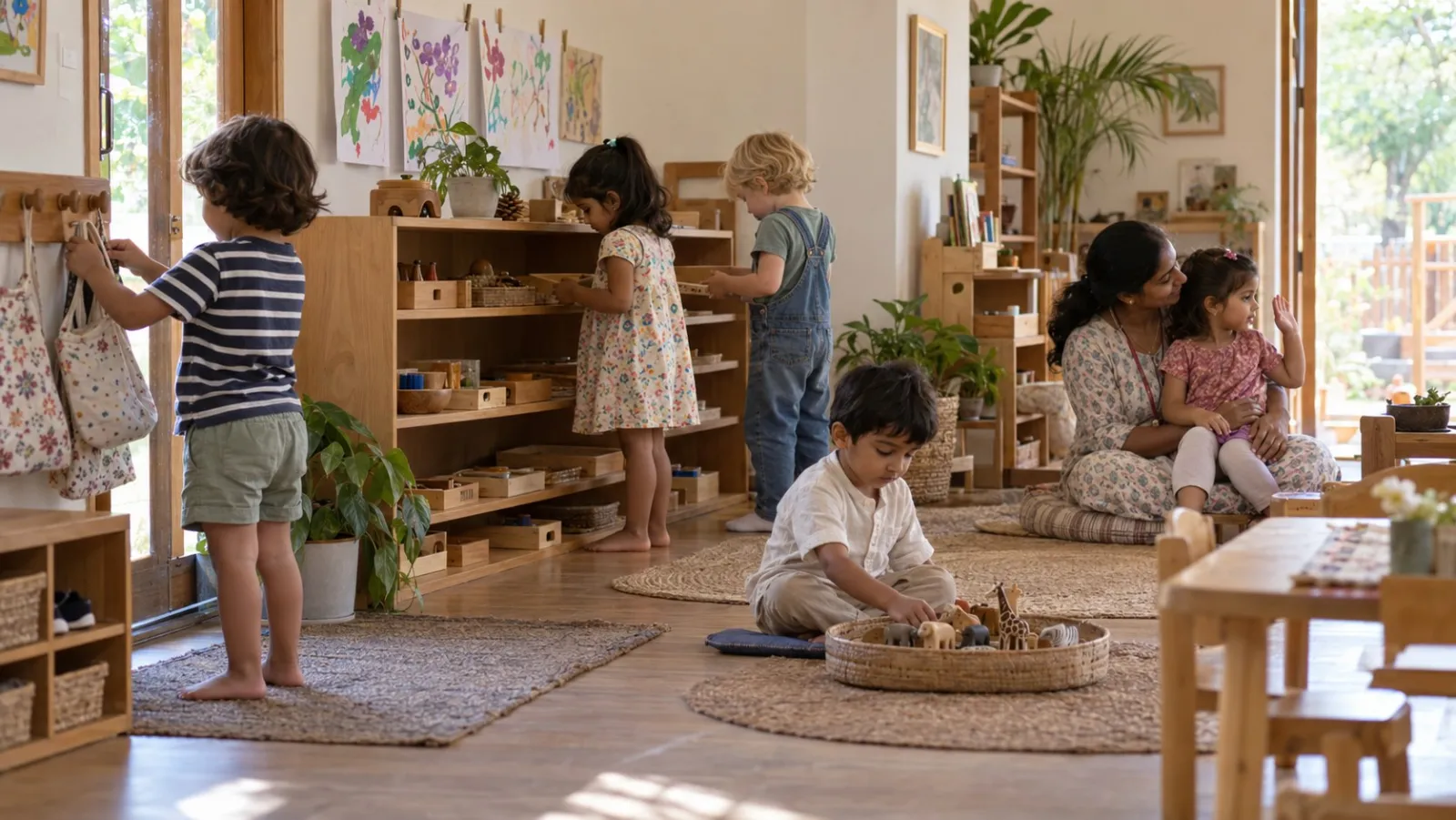
Each day gives children time to connect, explore, move, participate, imagine, practise and reflect. The rhythm is calm, purposeful and responsive to children’s developmental needs.
The shape of it
Eight Moments, in the Same Order Every Day
Young children settle when they know what is coming next. The order below holds from the first day to the last, giving children a familiar rhythm that helps them feel secure and ready to concentrate.
-
One
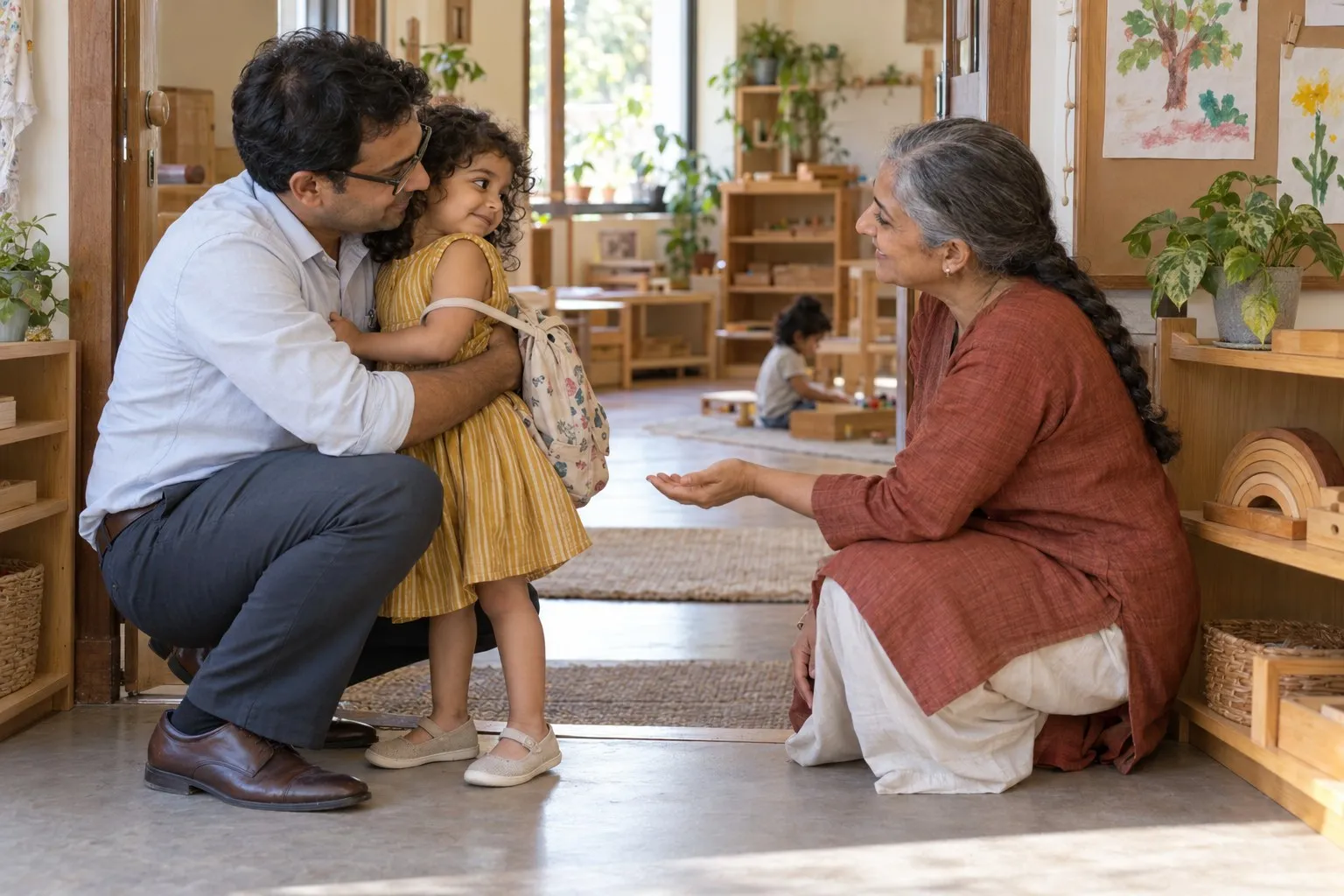
Arrival & Connection
Children settle in, greet teachers and explore.
-
Two
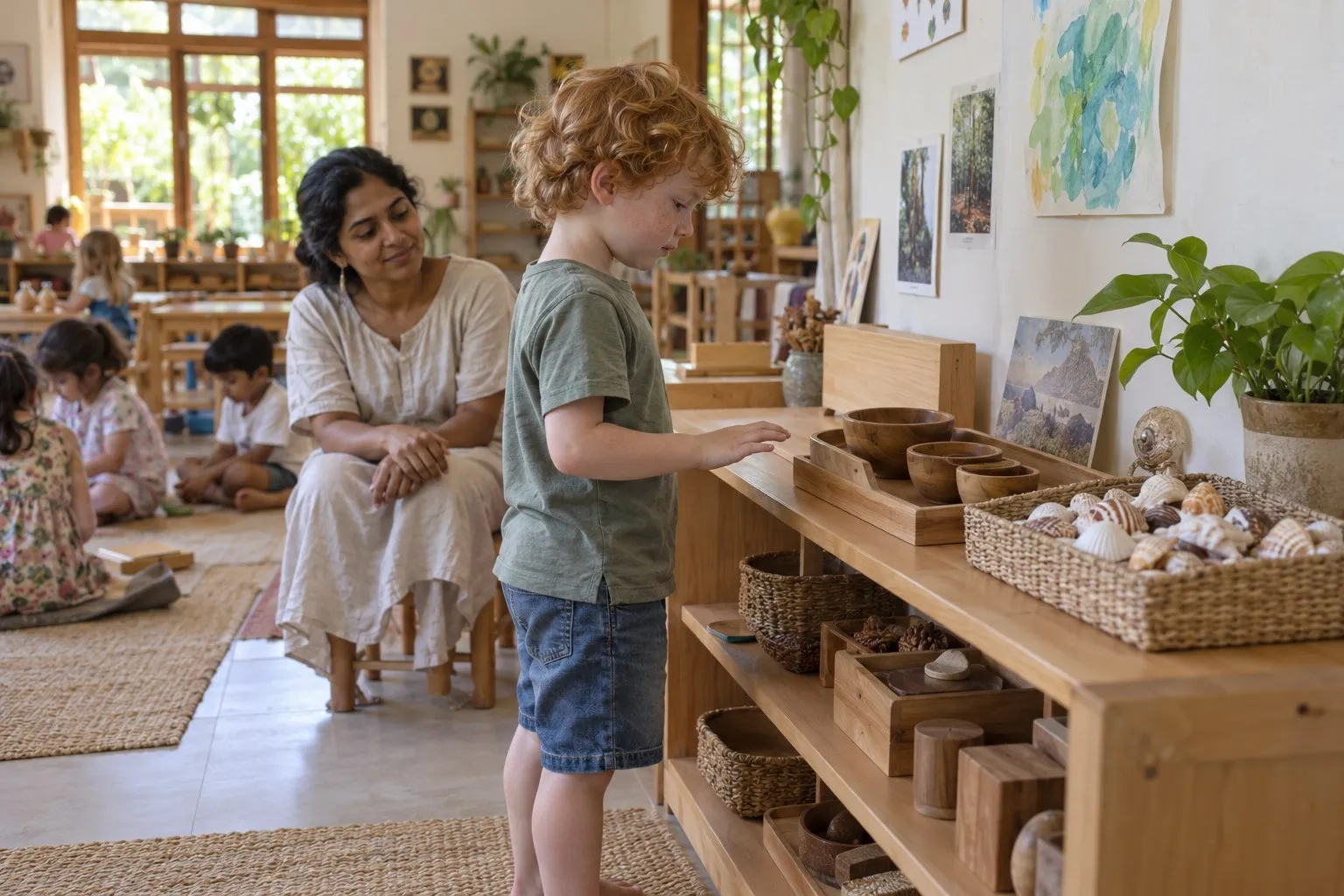
Free & Guided Exploration
Children engage with thoughtfully prepared materials and experiences.
-
Three
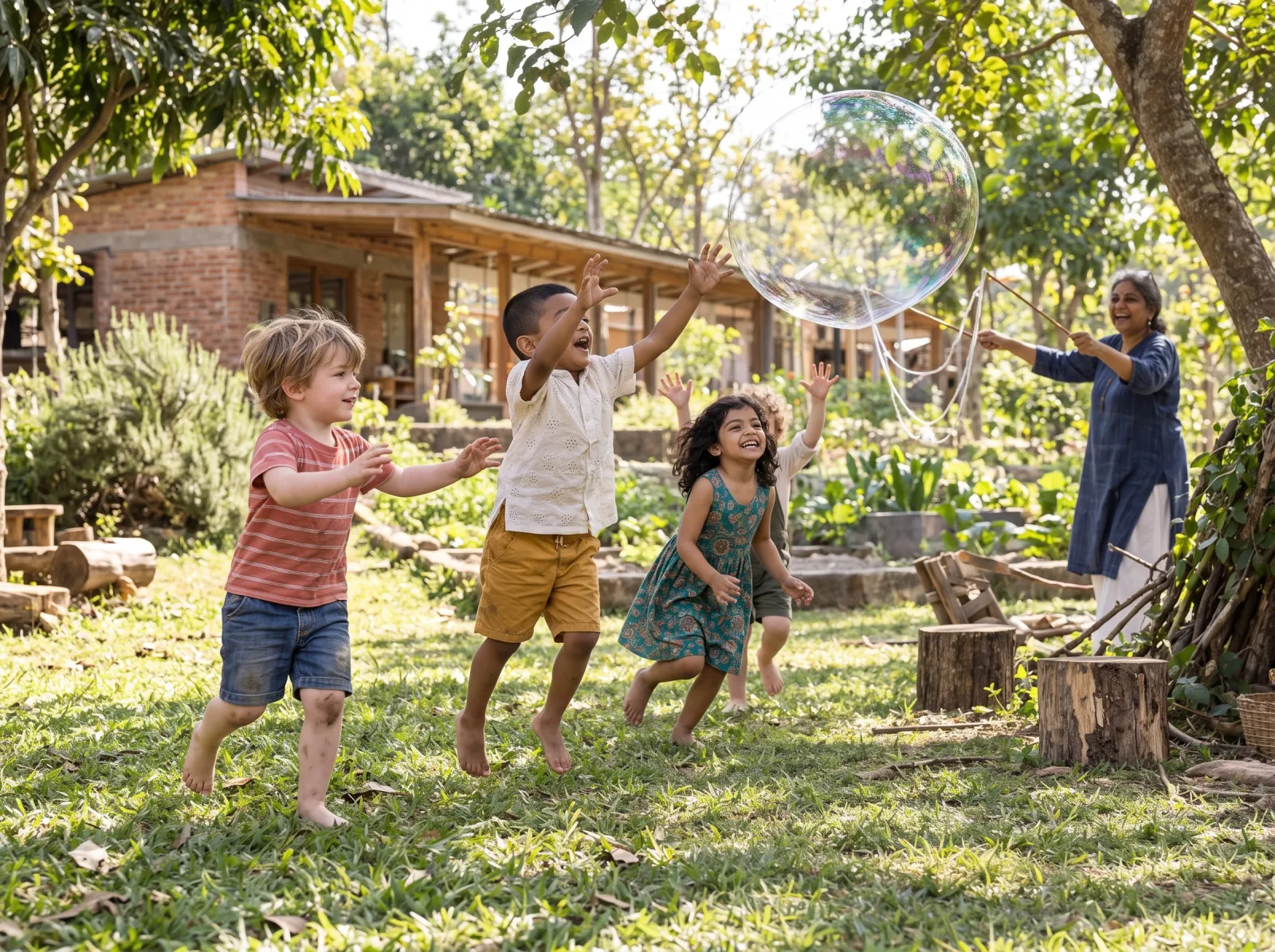
Movement & Outdoor Time
Opportunities to move, climb, run, balance and explore.
-
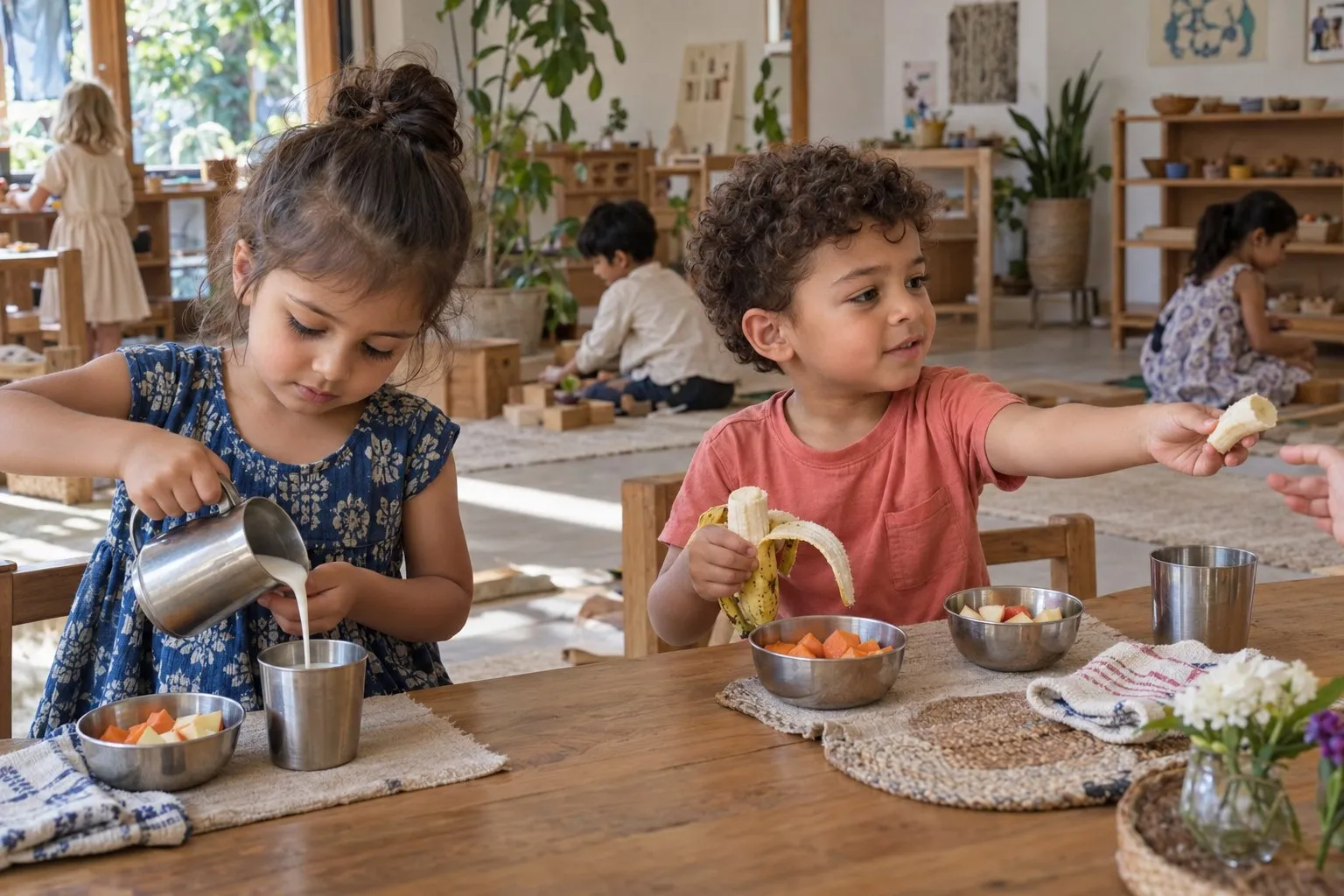
Four
Snack & Practical Life
Children participate in age-appropriate routines.
-
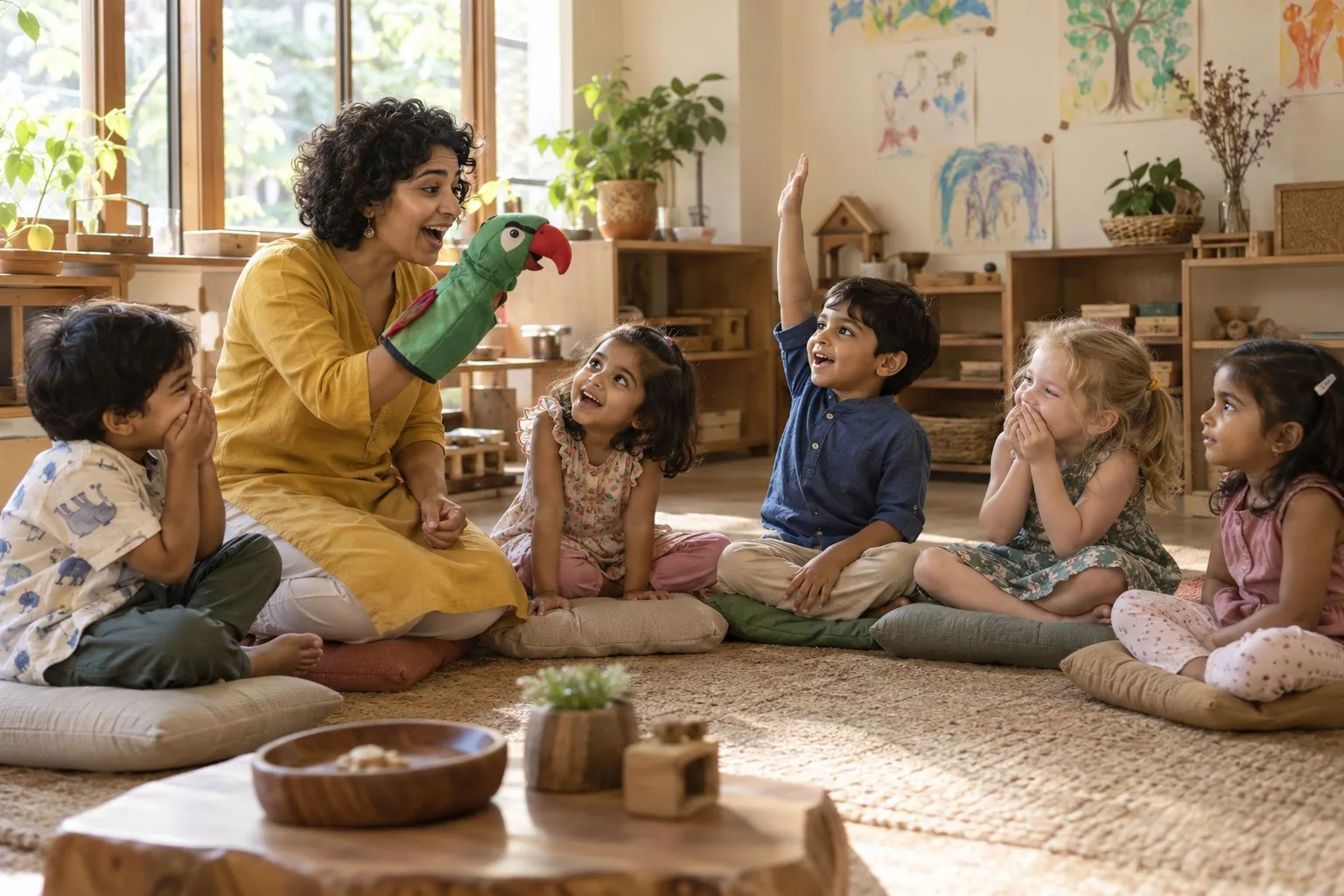
Five
Stories, Music & Language
Songs, stories, conversations and language experiences.
-
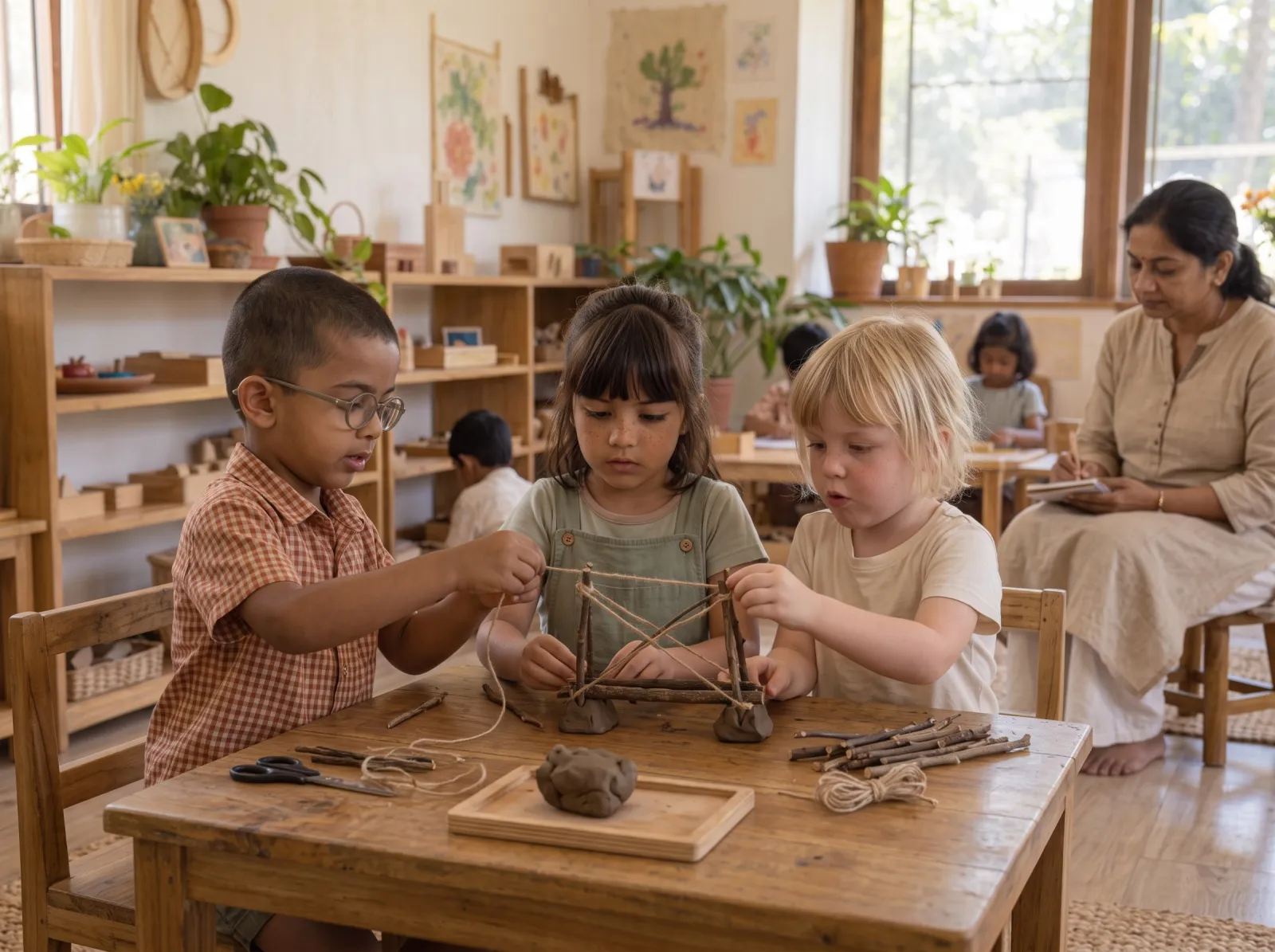
Six
Focused Experiences
Teachers introduce experiences based on developmental goals and children’s interests.
-
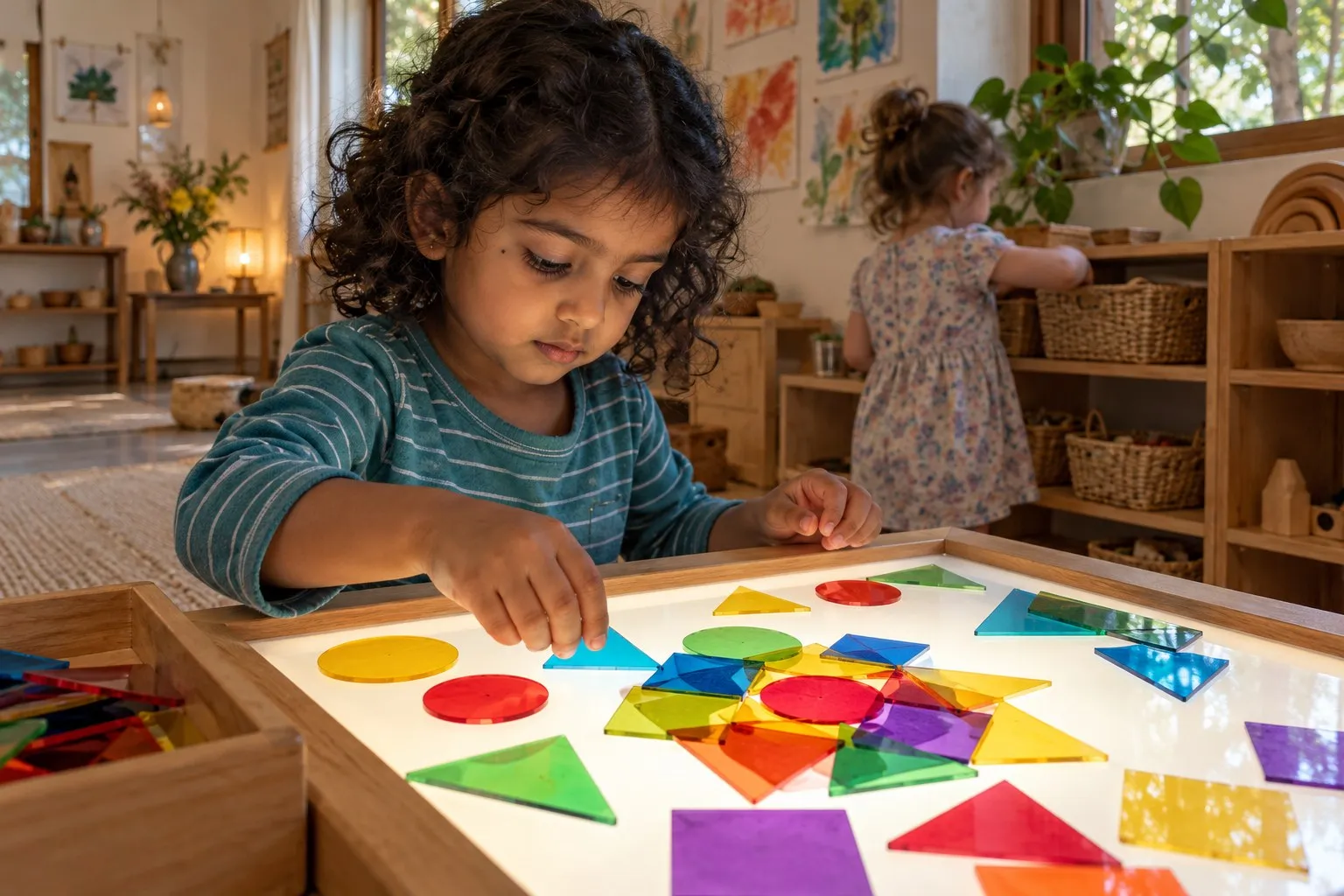
Seven
Choice & Discovery
Children return to materials, construction, role play, sensory experiences and other areas of interest.
-
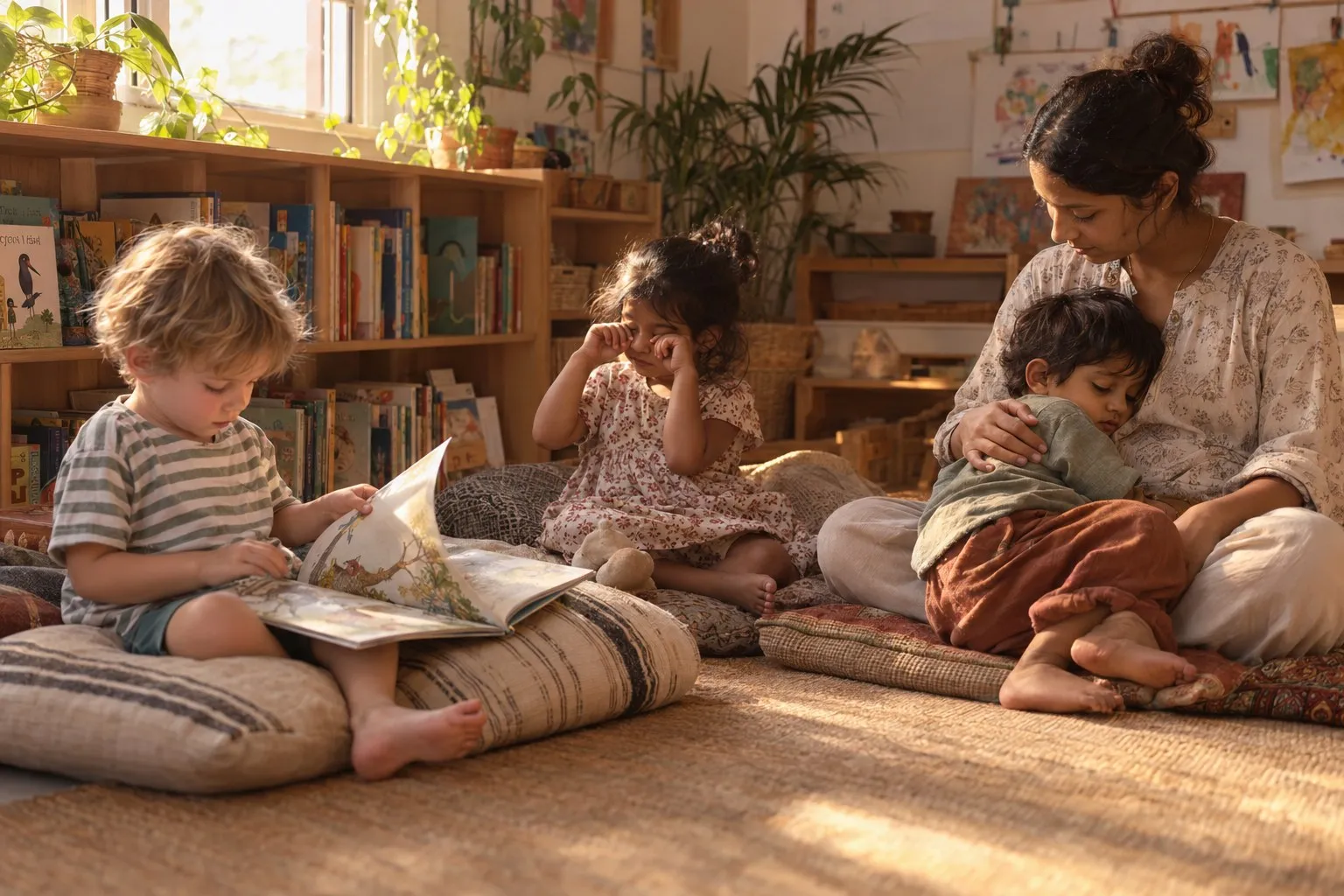
Eight
Reflection & Transition
Children finish, tidy, reconnect and prepare for home.
Underneath the rhythm
The Order Is Fixed. The Pace Is Not.
A child deep in a piece of work is not interrupted to keep to a clock. The sequence holds, but how long each part takes bends around what the children are actually doing that morning.
That is the difference between a rhythm and a timetable.
Reading About It Is Not the Same as Standing in It
Come for a morning and watch the rhythm happen, rather than taking our word for how calm it is.